
Application-specific development
Application-Specific PLG Engineering
Sample analysis, dimensional measurement, data acquisition and design development for vehicle-specific programs.
Project inputs
Begin with a precise frame of reference.
A valuable engineering review starts with the product and vehicle context that defines the work—not a generic component promise.

Reverse-engineering workflow
A visible pathway from physical sample to verification.
The workflow is organized to make interfaces and technical review points understandable throughout development.
 01
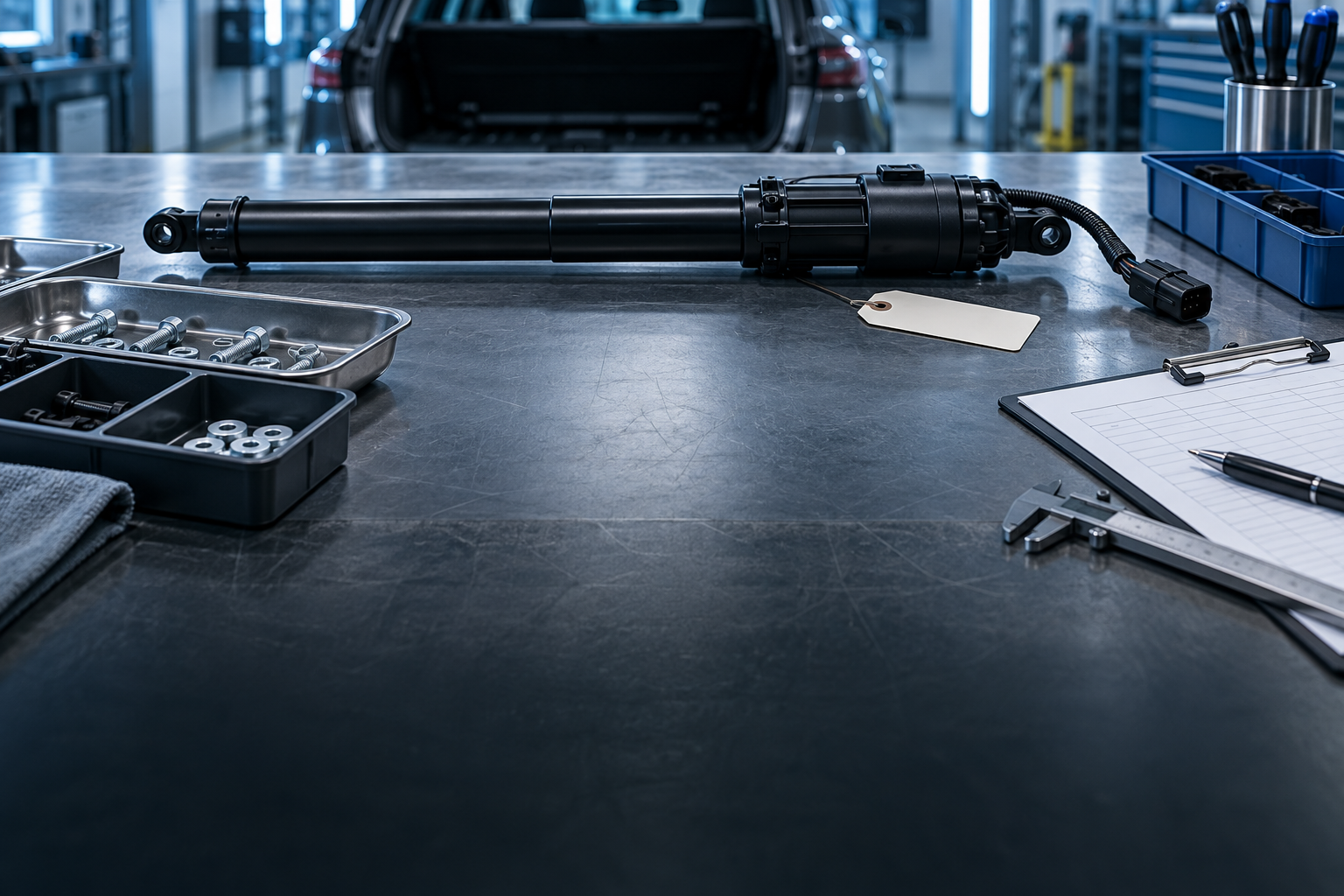
01Sample registration
Record the OE sample, vehicle application and project requirements.
 02
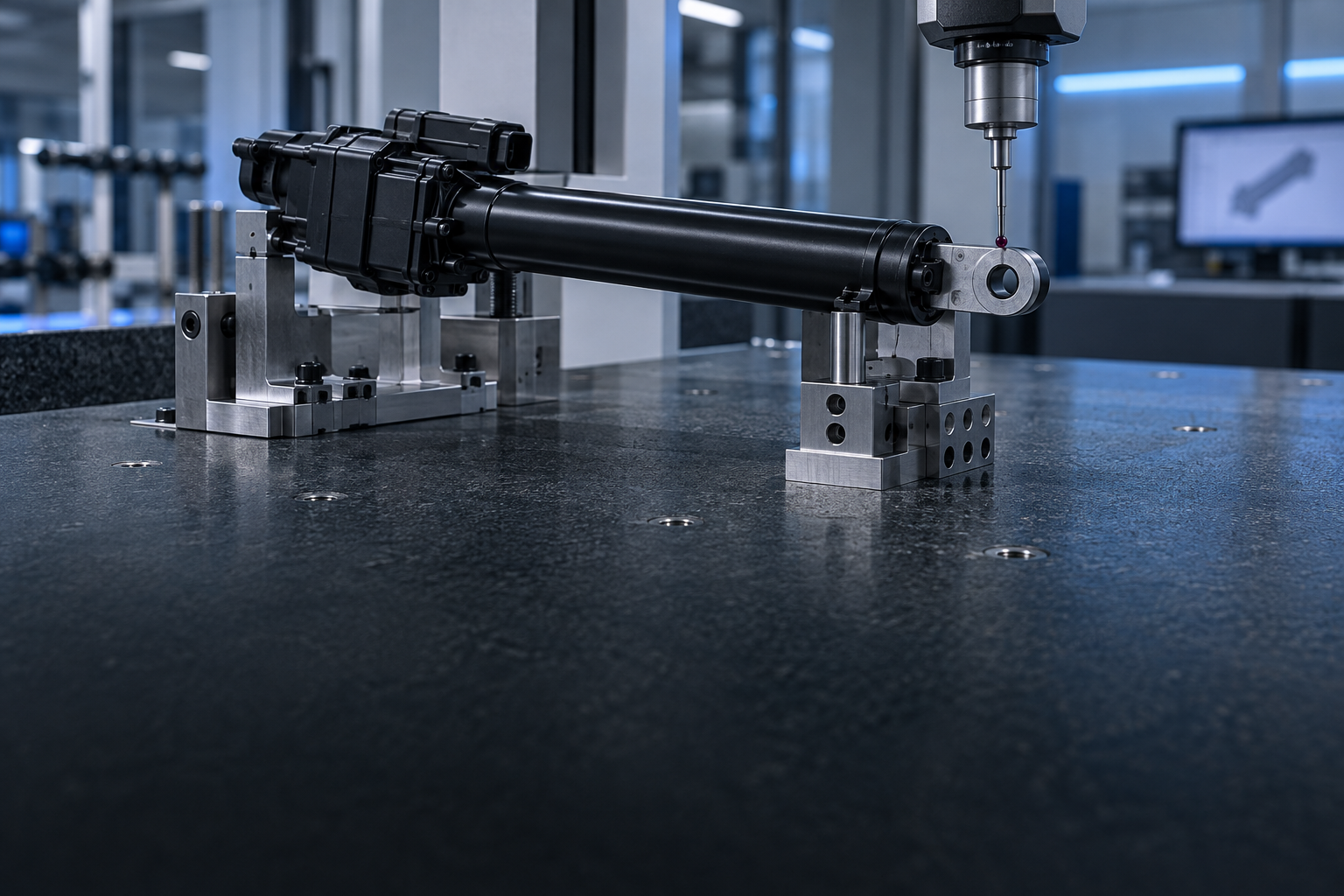
02Measurement
Capture dimensions and mounting geometry from the physical sample.
 03
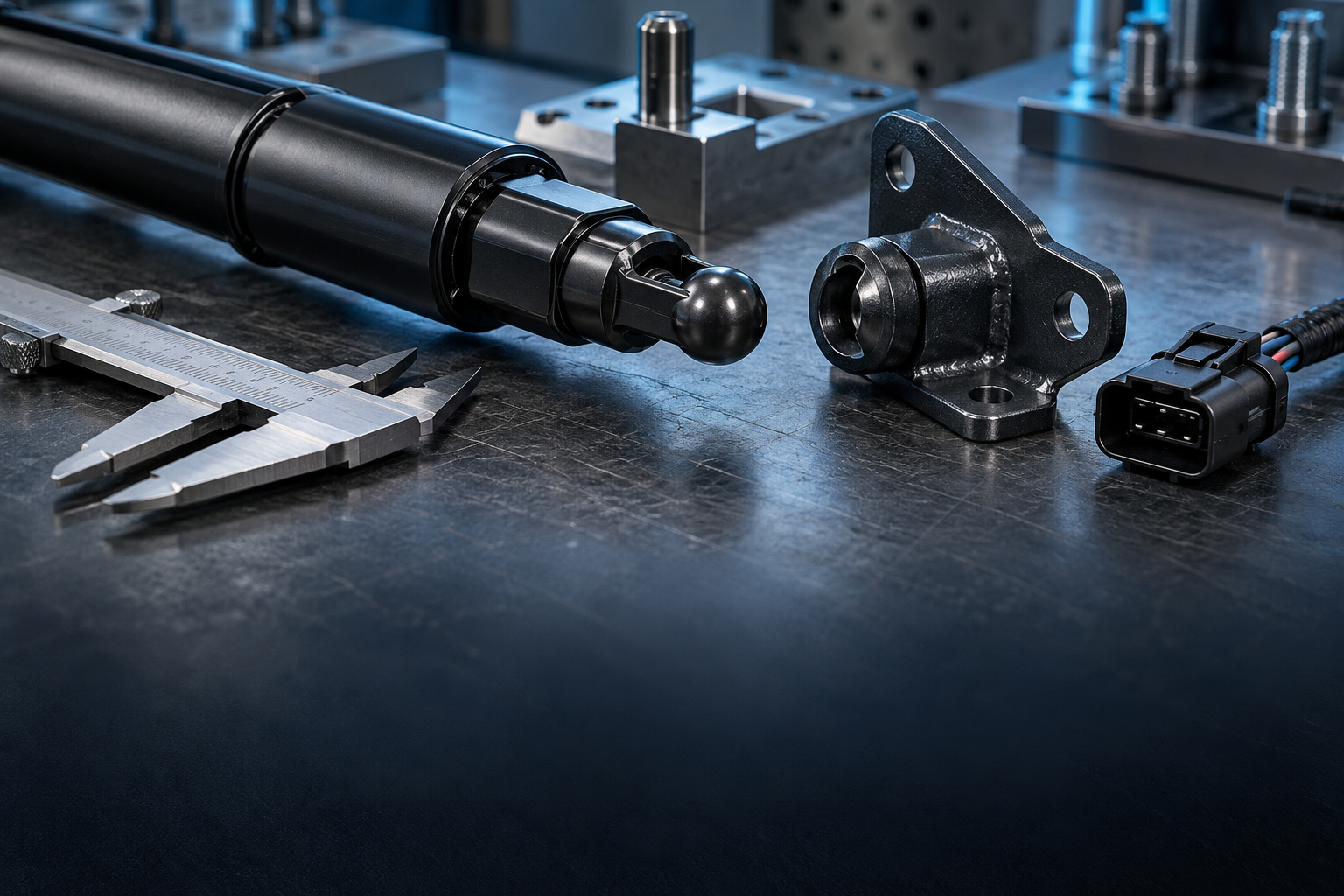
03Interface definition
Define mounting points, connectors and installation constraints.
 04
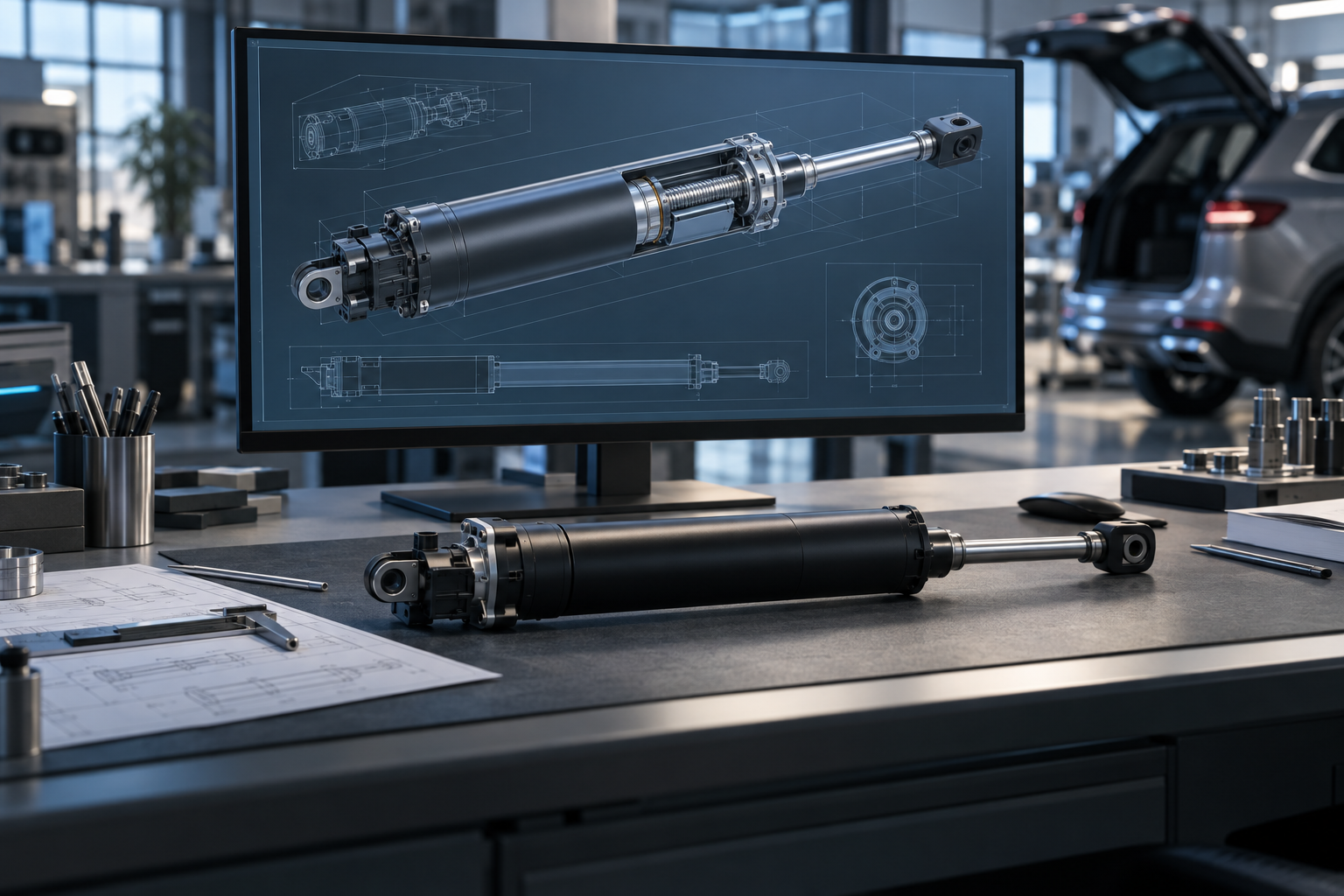
04CAD model
Develop the digital geometry for application-specific design.
 05
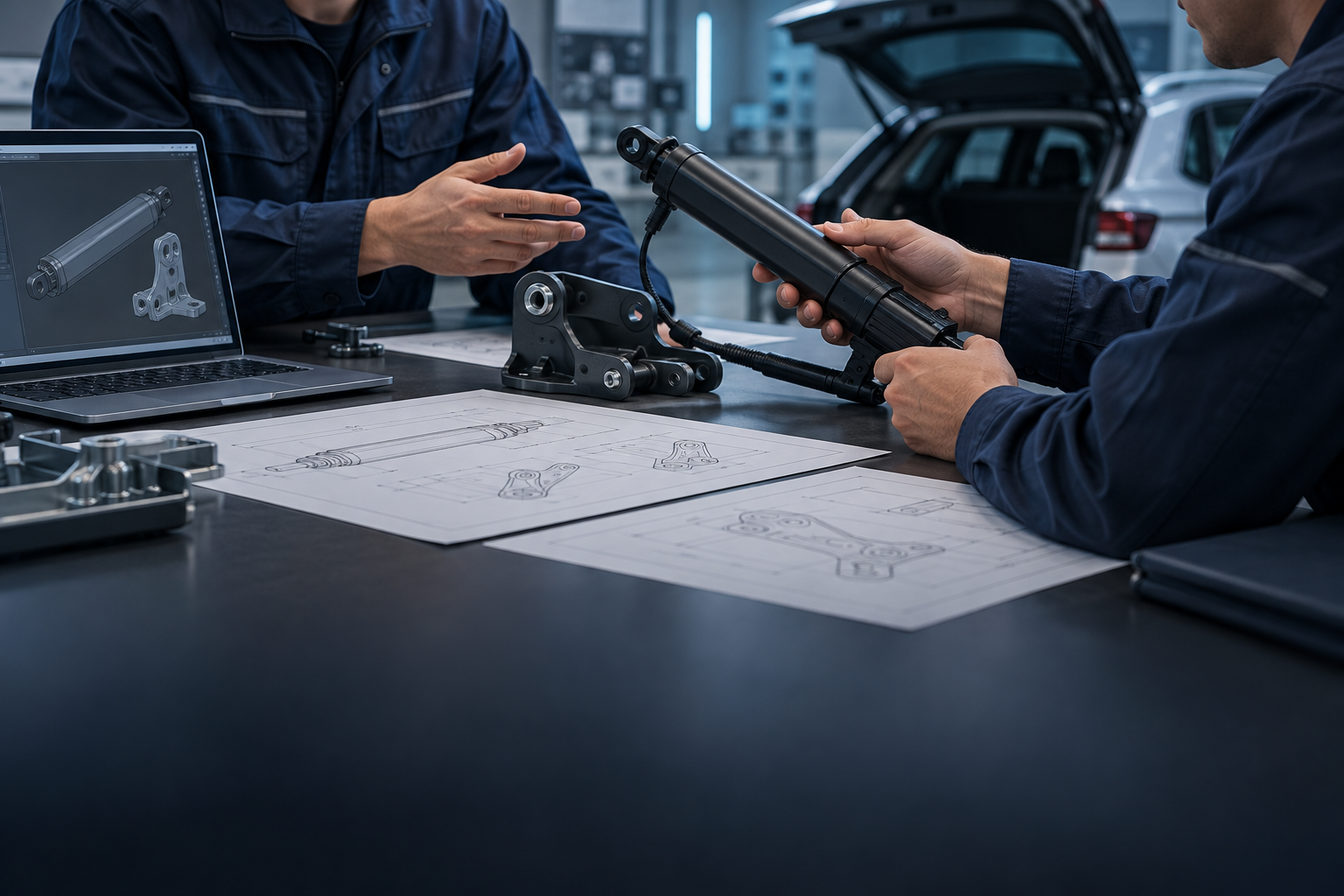
05Design review
Review fit, function and technical requirements before prototyping.
 06
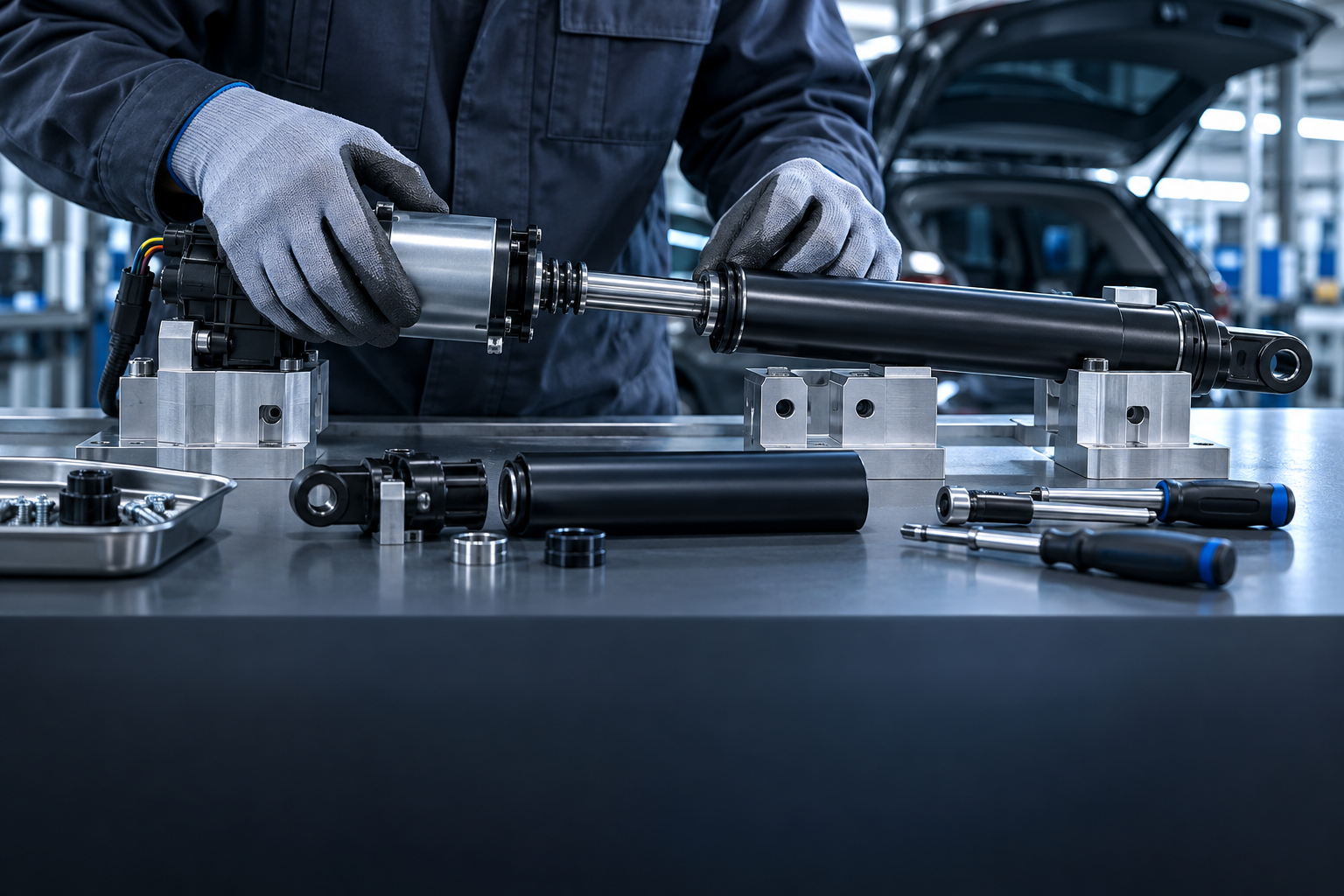
06Prototype
Build a sample for installation and functional evaluation.
 07
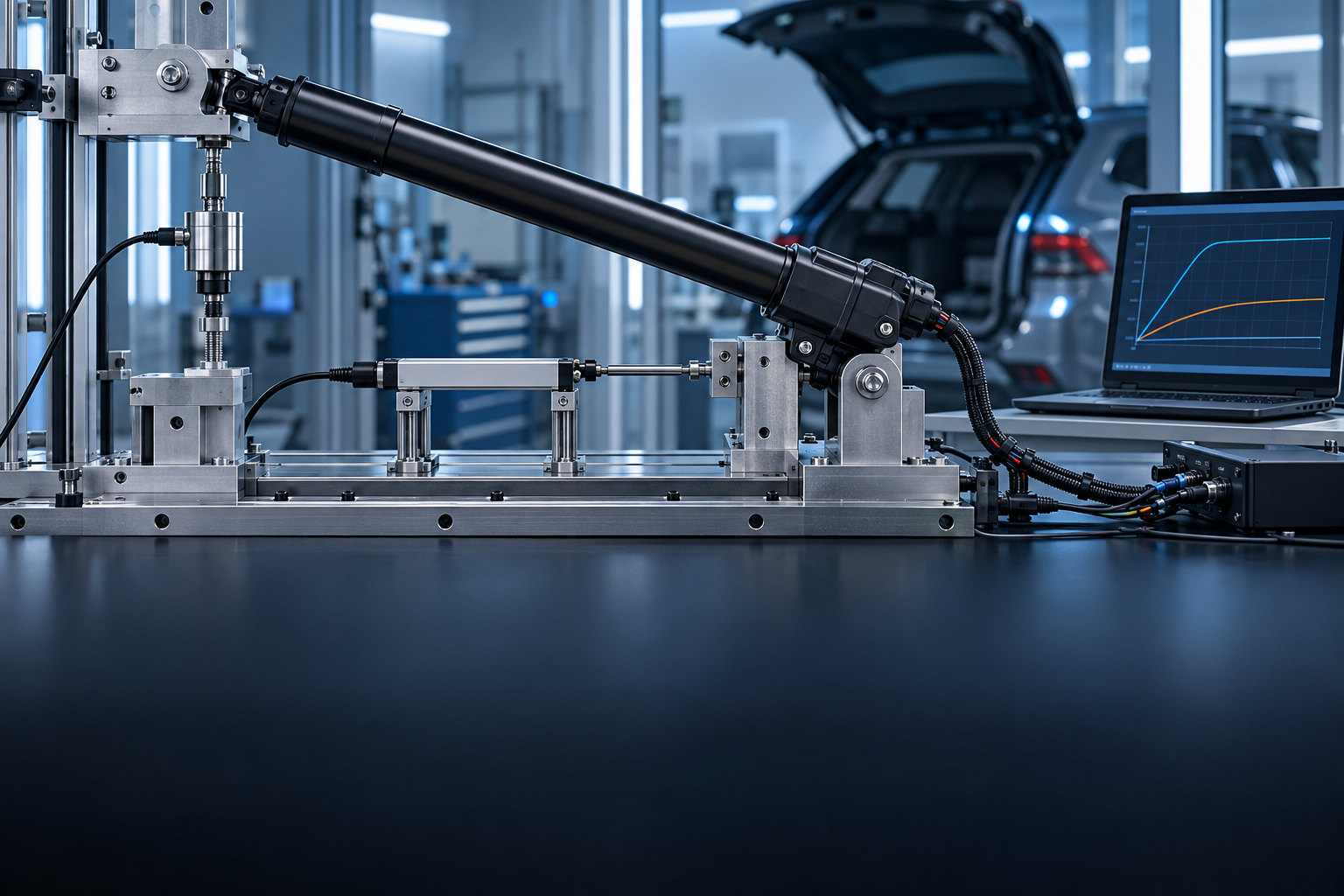
07Verification
Check the prototype against the agreed program requirements.


Illustrative engineering visuals. Project-specific methods and verification scope are confirmed during technical review.


Design review
CAD supports the conversation, not an unsupported claim.
The visual presented here is conceptual. Released drawings, final material callouts and program-specific performance outcomes remain subject to the appropriate review and approval process.
Conceptual engineering visualStart a conversation
Set up a technical meeting.
Bring the sample, installation and functional context. We will help establish the next relevant engineering review.